Triple Degree ND/DIIM/PhD (OCS) program:
Doctor of Naturopathic Medicine/Doctor of Integrated Indigenous Medicine/PhD in Osteopathic Clinical Sciences
If you are planning to practice in the United States, we strongly recommend enrolling in our ND/DIIM/PhD triple degree program. This integrated program allows you to complete three degrees in a shorter period of time, resulting in significant savings in both time and tuition. For a limited time, we are also offering a scholarship of up to 50%, enabling you to complete all three programs while paying substantially reduced tuition.
Graduates of this program may choose to affiliate with a national Indigenous Health Authority. This pathway is intended to support a broader scope of practice that may include manual osteopathy, indigenous medicine, and natural therapies, subject to the governing body’s framework. It may also permit the use of the title “Dr.” within that system. As with all healthcare activities in the United States, scope of practice and title usage remain subject to applicable federal, state, and local laws and regulations.
The ND/DIIM/PhD triple degree program enables students to complete three areas of study concurrently: naturopathic medicine, integrated indigenous medicine, and manual osteopathy. Upon completion, graduates are awarded three credentials: Doctor of Naturopathic Medicine (ND), Doctor of Integrated Indigenous Medicine (DIIM), and Doctor of Philosophy (PhD) in Osteopathic Clinical Sciences.
Graduates of the National University of Medical Sciences (USA) triple degree program may choose to join the GEHA Association and obtain designation as an Ecclesiastical Holistic Health Practitioner. Within that framework (available to all NUMSS alumni), practitioners may provide a limited range of services to the public consistent with the association’s guidelines. In addition, graduates may pursue affiliation with a national indigenous health authority as a Tribal Health Practitioner. This pathway is open to all alumni regardless of heritage and is intended to support an expanded scope of practice that may include manual osteopathic care, indigenous approaches, and natural therapies, subject to the governing body’s standards.
In certain state graduates may also practice without the need to join an association. For example, in California, naturopathic medicine is a regulated profession, and individuals without a state license cannot use protected titles such as “naturopathic doctor” or “naturopathic physician.” However, alumni can work as naturopaths offering certain wellness-oriented services and non-restricted natural therapies. Each state has its own regulatory structure, and it is essential for graduates to comply with local laws regarding scope of practice and professional designation.
This triple degree ND/DIIM/PhD program is delivered fully online, with optional hands-on training opportunities. Students without prior health education typically complete the program in four years. Those with previous healthcare training (such as massage therapists & diploma level osteopathic manual practitioners) may complete it in two years, while applicants with doctoral-level qualifications (such as chiropractors, naprapaths, physiotherapists & degree level osteopathic manual practitioners) may be eligible for an accelerated one-year track.
The university is also developing a teaching clinic in Los Angeles, California where students may participate in supervised clinical internship. Services such as manual osteopathy, indigenous medicine, naturopathic care, and naprapathy may be offered to the public on a no-cost, outreach basis. In addition, a teaching farm is planned, where students can gain practical experience in botanical and herbal medicine, including the cultivation and preparation of indigenous medicinal plants at Pourgol Botanical Gardens. Participation in these hands-on components is currently optional but may become a formal requirement in the future.
Admissions Requirements
Applicants must hold a bachelor’s degree in any discipline to enroll in the triple degree ND/DIIM/PhD program. Individuals who do not have a bachelor’s degree may instead enroll in the Bachelor of Science in Osteopathic Manual Practice -BSc (OMP) as part of a combined pathway. Upon completion of this pathway, graduates receive four degrees, including the bachelor’s degree, enabling them to enter practice with a broader and more comprehensive clinical skill set. This integrated option provides a time-efficient and cost-effective route to multiple qualifications, preparing graduates for careers in natural healthcare and manual therapy.
Program Recognition
Graduates of the ND/DIIM/PhD triple degree program at the National University of Medical Sciences (USA) may provide natural health services, including manual osteopathic care, in a variety of settings across the United States, Canada, and many other countries, subject to local laws and regulations.
In certain regions, such as Quebec, naturopathic services may be eligible for reimbursement through private health insurance when practitioners are members of recognized professional associations, such as the Canadian Alliance of Alternative Medicine. In multiple Canadian provinces and territories—including Ontario, Alberta, British Columbia, Saskatchewan, Nova Scotia, Prince Edward Island, Newfoundland and Labrador, and Yukon—graduates holding a PhD in Osteopathic Clinical Sciences may qualify to join associations which may enable billing to major insurers such as Sun Life, Manulife, Blue Cross and Canada Life in accordance with insurer policies. Alumni could also join the College of Registered Manual Osteopaths in Canada to become an RMO – Registered Manual Osteopath.
Professional titles and scope of practice vary significantly by jurisdiction. For example, in California, graduates may practice as naturopaths or osteopathic manual practitioners but are restricted from using titles such as “naturopathic doctor” or “osteopath.” In Ontario, acceptable titles may include “naturotherapist” or “manual osteopath.” Adhering to appropriate terminology and regulatory requirements allows graduates to operate within applicable legal frameworks in many regions.
In the United States, healthcare is regulated differently by state. Some states do not require licensure for naturopaths and osteopathic manual practitioners, while others maintain specific regulatory frameworks. In regulated jurisdictions such as California, practitioners must use permitted titles—for example, “naturopath” rather than “naturopathic physician.” In some cases, practitioners may choose to affiliate with professional organizations that offer structured practice pathways.
Certain organizations provide alternative practice frameworks with differing scopes. For instance, the GEHA Association offers a pathway with a more limited scope of practice, while the Indigenous Health Authority provides a broader framework, which may include the use of the title “Dr” for qualified practitioners under its guidelines. Graduates of the ND/DIIM/PhD program may apply to join these organizations—subject to their respective requirements—as Ecclesiastical Holistic Health Practitioners or Tribal Health Practitioners.
Scholarship Opportunities
For a limited time, applicants to the combined Doctor of Naturopathic Medicine, Doctor of Integrated Indigenous Medicine, and PhD in Osteopathic Clinical Sciences (ND/DIIM/PhD) triple-degree program may be eligible for substantial scholarships of up to $41,000. This opportunity enables students to complete three doctoral degrees while paying tuition comparable to a single program, offering significant savings in both time and cost. The tuition is $4250 per semester ($8500 per year). The tuition under this scholarship for category 3 students is $8,500 for the full program. For category 2 students the full tuition is $17,000. For category 1 students the full tuition is $34,000.
Triple Degree (ND/DIIM/PhD) Curriculum
Category 1: Students without prior health education (4 years)
Semester 1
Human Physiology
Study of the normal functioning of the human body, including cellular processes, organ systems, and homeostasis. This course builds a strong scientific foundation for understanding how the body heals and adapts, preparing students to apply natural and manual therapies effectively.
Human Anatomy
Comprehensive study of the structure of the human body, including musculoskeletal, neurological, and visceral systems. Emphasis is placed on clinical relevance for naturopaths, osteopathic manual practitioners, and tribal health practitioners, with a focus on palpation and structural relationships.
Foundations of Naturopathic Medicine, Indigenous Medicine & Manual Osteopathy
An engaging introduction to the philosophies, history, and scope of three powerful healing systems. Students explore how these disciplines complement one another in delivering holistic, patient-centered care.
Manual Osteopathy, Indigenous & Naturopathic Medicine Philosophy & Principles
In-depth exploration of core healing principles such as the body’s innate ability to heal, the importance of treating root causes, and the integration of nature-based and hands-on therapies in modern practice.
Integrated Indigenous Medicine
Practical introduction to traditional Indigenous healing arts and bodywork techniques, focusing on restoring balance, improving energy flow, and supporting the body’s natural healing processes.
Manual Osteopathy: Techniques & Clinical Skills
Hands-on foundational training in osteopathic techniques, including palpation, soft tissue methods, joint mobilization, and basic treatment protocols used in clinical practice.
________________________________________
Semester 2
Clinical Biomechanics
Study of human movement and mechanical function, with focus on posture, gait, injury prevention, and rehabilitation. Students learn to assess and correct dysfunction through clinical reasoning.
Naturopathic Medicine
Introduction to a wide range of naturopathic therapies including lifestyle medicine, clinical nutrition, botanical medicine, acupuncture, homeopathy, detoxification, mind-body medicine, and more. Students are exposed to diverse treatment approaches while understanding that scope of practice varies by jurisdiction.
Fundamentals of Botanical Medicine
Introduction to herbal medicine, including plant energetics, preparation methods, safety, and therapeutic applications used in natural healthcare.
Manual Osteopathy: Techniques & Clinical Skills
Continued development of osteopathic techniques with emphasis on treatment planning, patient positioning, and clinical confidence.
Therapeutic Exercises
Design and application of corrective joint specific exercises to improve mobility, strength, and function. Students learn rehabilitation strategies for injury recovery and long-term patient outcomes.
Integrated Indigenous Medicine
Clinical application of Indigenous healing arts and bodywork for chronic pain, functional disorders, and wellness optimization.
Spiritual Healing in Indigenous Medicine
Exploration of spirituality, ceremony, and traditional healing practices, and their role in holistic Indigenous healthcare systems.
________________________________________
Semester 3
Medical Microbiology
Study of microorganisms and their role in health and disease, including infection, immunity, and prevention strategies relevant to natural medicine practitioners.
Manual Osteopathy: Techniques & Clinical Skills
Advanced osteopathic techniques focusing on clinical integration, precision, and patient-specific care.
Botanical Medicine
Study of commonly used medicinal herbs, including their actions, indications, and practical clinical use in treating various conditions.
Integrated Indigenous Medicine
Integration of Indigenous healing practices with modern holistic care models, emphasizing individualized and culturally respectful treatment approaches.
Physiology & Pathology of the Mind
Study of mental health from both biomedical and Indigenous perspectives, including stress, emotional balance, and holistic approaches to mental wellness.
Naturopathic Medicine
Intermediate application of naturopathic therapies in addressing common acute and chronic health conditions.
________________________________________
Semester 4
Diagnosis and Symptomology
Development of clinical reasoning through the study of signs, symptoms, and patient assessment methods used in natural and manual medicine.
Orthopedic Assessment
Hands-on evaluation of musculoskeletal conditions using orthopedic testing and functional assessments to identify dysfunction and guide treatment.
Neurology
Introduction to the nervous system, including structure, function, and clinical relevance in diagnosing and managing neurological conditions.
Manual Osteopathy: Techniques & Clinical Skills
Refinement of osteopathic techniques with increased focus on clinical efficiency and treatment outcomes.
Integrated Indigenous Medicine
Advanced integration of Indigenous healing techniques into comprehensive patient care plans.
Naturopathic Medicine
Advanced application of naturopathic therapies, emphasizing case-based learning and integrative treatment planning.
________________________________________
Semester 5
Clinical Nutrition
Application of nutritional science in optimizing health, preventing disease, and supporting recovery through individualized dietary strategies.
Pathology
Study of disease processes including inflammation, degeneration, and cellular dysfunction, providing a deeper understanding of clinical conditions.
Immunology
Examination of the immune system and natural strategies to support immune health and resilience. Introduction to osteopathic psychosomatic techniques.
Neuro-diagnosis
Advanced neurological assessment techniques for identifying functional and structural disorders affecting the nervous system.
Business Management
A powerful, real-world course on building a successful clinic. Led by our president, chiropractor, osteopath & naprapath, Professor Shawn Pourgol, MBA, DC, DO, DN, PhD, this course delivers over 250 applied practical lectures that can be used the next day, covering marketing, branding, patient acquisition, tax planning, asset protection, and financial growth. Students learn how to launch, scale, and operate profitable practices with confidence.
Fundamentals of Botanical Medicine
Introduction to traditional and Indigenous herbal medicine, including plant energetics, preparation methods, and therapeutic use.
________________________________________
Semester 6
Rehabilitation Medicine
Principles of injury recovery, functional restoration, and long-term rehabilitation strategies to improve patient outcomes.
Orthopedic Taping Techniques
Application of taping methods to support joints, reduce pain, and enhance recovery in musculoskeletal conditions.
Manual Osteopathy: Techniques & Clinical Skills
Continued advancement of osteopathic skills with focus on complex cases and integrated treatment approaches.
Botanical Medicine Materia Medica
In-depth study of medicinal plants, including pharmacological actions, indications, and clinical applications.
Mind-Body Medicine & Counseling
Integration of psychological and behavioral approaches into patient care, focusing on stress management and emotional health.
Botany & Plant Identification
Study of plant biology and hands-on identification of medicinal plants used in clinical and traditional practices.
________________________________________
Semester 7
Auxiliary Therapy & Physical Modalities
Training in therapeutic technologies such as ultrasound, laser, electrotherapy, traction, and shockwave therapy used to enhance patient care.
Manual Osteopathy: Techniques & Clinical Skills
Mastery-level osteopathic training with emphasis on clinical integration and treatment efficiency.
Practical Botanical Pharmacy
Hands-on preparation of herbal medicines including tinctures, teas, extracts, and topical formulations.
Applied Phytotherapy
Clinical use of plant-based therapies in treating common health conditions and optimizing wellness.
Phytotherapy & Medical Herbology
Advanced clinical herbal medicine, integrating traditional knowledge with modern scientific understanding.
________________________________________
Semester 8
Peptide Therapy & Biologicals
Comprehensive introduction to peptide therapy and biological supplements used in longevity, performance, and regenerative health. Students learn mechanisms, applications, safety, and how to build niche clinical services in areas such as anti-aging, weight management, and cognitive optimization.
Clinical Ergonomics
Study of workplace and daily movement patterns, focusing on injury prevention, posture correction, and functional efficiency.
Pathomechanics & Footcare
Analysis of gait, foot biomechanics, and their impact on overall body function, including corrective strategies.
Sports Nutrition & Weight Loss Management
Nutritional strategies to enhance athletic performance, optimize metabolism, and support sustainable weight management.
Diagnostic Radiology
Introduction to imaging interpretation, including X-ray and MRI, to support clinical decision-making.
Functional & Laboratory Diagnostic Testing
Overview of laboratory testing and interpretation used in naturopathic and functional medicine practices.
Thesis
Three independent research projects (one for each degree) allowing students to demonstrate advanced knowledge, critical thinking, and clinical application in naturopathic medicine and integrative healthcare.
Category 2: Students without prior health education who are not doctors (2 years)
Semester 1
Foundations of Naturopathic Medicine, Indigenous Medicine & Manual Osteopathy
Manual Osteopathy, Indigenous & Naturopathic Medicine Philosophy & Principles
Manual Osteopathy: Techniques & Clinical Skills
Fundamentals of Botanical Medicine
Pathology
Therapeutic Exercises
Immunology
Integrated Indigenous Medicine
Spiritual Healing in Indigenous Medicine
Semester 2
Botanical Medicine
Rehabilitation Medicine
Clinical Biomechanics
Medical Microbiology
Physiology & Pathology of the Mind
Naturopathic Medicine
Diagnosis and Symptomology
Orthopedic Assessment
Neurology
Semester 3
Diagnostic Radiology
Clinical Nutrition
Neuro-diagnosis
Pathomechanics & Footcare
Business Management
Orthopedic Taping Techniques
Botanical Medicine Materia Medica
Mind-Body Medicine & Counseling
Botany & Plant Identification
Semester 4
Auxiliary Therapy & Physical Modalities
Practical Botanical Pharmacy
Applied Phytotherapy
Phytotherapy & Medical Herbology
Peptide Therapy & Biologicals
Clinical Ergonomics
Sports Nutrition & Weight Loss Management
Functional & Laboratory Diagnostic Testing
Thesis (three research projects, one for each degree)
Category 3: Students with prior doctoral level health education (1 year)
Semester 1
Foundations of Naturopathic Medicine, Indigenous Medicine & Manual Osteopathy
Manual Osteopathy, Indigenous & Naturopathic Medicine Philosophy & Principles
Manual Osteopathy: Techniques & Clinical Skills
Fundamentals of Botanical Medicine
Integrated Indigenous Medicine
Spiritual Healing in Indigenous Medicine
Physiology & Pathology of the Mind
Botanical Medicine Materia Medica
Business Management
Naturopathic Medicine
Semester 2
Clinical Nutrition
Orthopedic Taping Techniques
Mind-Body Medicine & Counseling
Botany & Plant Identification
Auxiliary Therapy & Physical Modalities
Practical Botanical Pharmacy
Peptide Therapy & Biologicals
Diagnostic Radiology
Clinical Ergonomics
Functional & Laboratory Diagnostic Testing
Thesis (three research projects, one for each degree)
Apply to this course


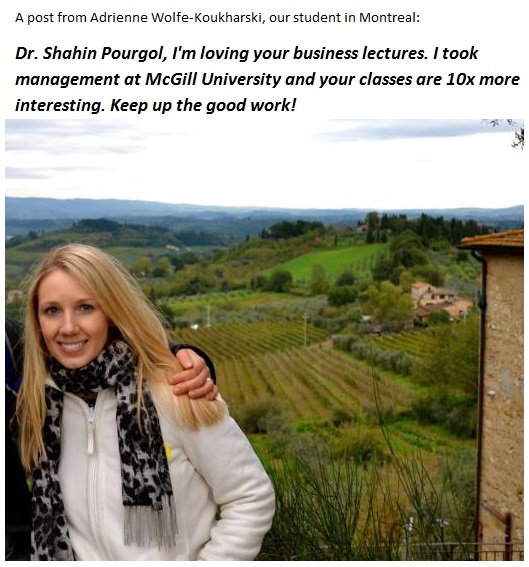
Better than McGill University!
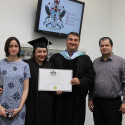 I sincerely appreciate all your advice and your work to give us the best means to improve our odds to succeed in this new path. Your speech at graduation ceremony was very inspiring. As you said, you will always be part of the change in our lives, an important part, let me complete, and I will always be grateful to you for all the knowledge that you have transferred to us but most of all, for your devotion as a teacher and your engagement to your students to make successful people of us. Words are not enough. Thank you. .
Irmina Toledo Gehrmann, DO (Spain)
Hi Dr Pourgol, Just wanted to let you know I am enjoying your online classes, I like the fact that you use the skeleton and then the actual human patient, it really drives the point home, I especially like the Ethics and Clinical Management lectures, I thought they would be boring, but your personal experiences make it very inspiring. Thanks.
Dr Randy Nagir, ND (San Fernando, Trinidad & Tobago), 3rd semester National University of Medical Sciences (Spain) student – Doctor of Osteopathy program
Dr Randy Nagir, ND